








When AD Persists, Explore What’s Next

Discover a clinical trial designed for individuals with Atopic Dermatitis. 

When AD Persists

Explore
What’s Next

Atopic Dermatitis

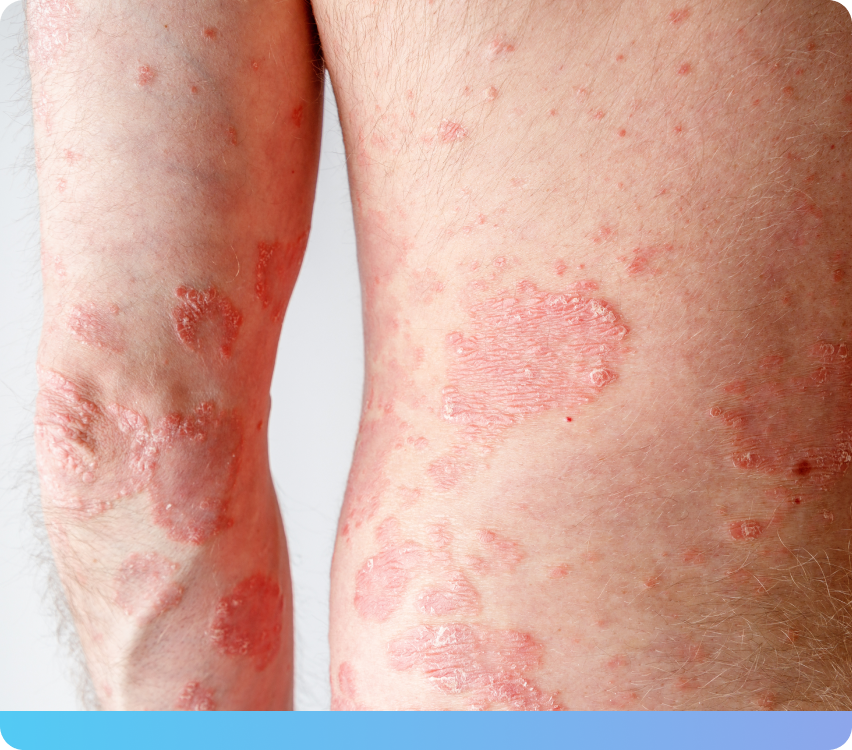
Atopic dermatitis (AD), often called eczema, is a long‑lasting skin condition that can cause dryness, itching, redness, and irritated patches.

For many adults, these symptoms come and go, sometimes becoming severe enough to disrupt sleep, daily routines, and overall quality of life. Even with prescription treatments, some people continue to experience persistent symptoms that are difficult to manage.

This study is evaluating an investigational treatment to understand better how it may affect inflammation related to atopic dermatitis. By taking part, you could help researchers learn more about potential future treatment options for people with eczema.

Atopic Dermatitis

Atopic dermatitis (AD), often called eczema, is a long‑lasting skin condition that can cause dryness, itching, redness, and irritated patches.

For many adults, these symptoms come and go, sometimes becoming severe enough to disrupt sleep, daily routines, and overall quality of life. Even with prescription treatments, some people continue to experience persistent symptoms that are difficult to manage.

This study is evaluating an investigational treatment to understand better how it may affect inflammation related to atopic dermatitis. By taking part, you could help researchers learn more about potential future treatment options for people with eczema.

Atopic Dermatitis

Atopic dermatitis (AD), often called eczema, is a long‑lasting skin condition that can cause dryness, itching, redness, and irritated patches.

For many adults, these symptoms come and go, sometimes becoming severe enough to disrupt sleep, daily routines, and overall quality of life. Even with prescription treatments, some people continue to experience persistent symptoms that are difficult to manage.

This study is evaluating an investigational treatment to understand better how it may affect inflammation related to atopic dermatitis. By taking part, you could help researchers learn more about potential future treatment options for people with eczema.

About the COMPASS-2 AD Study

The COMPASS-2 AD study is a Phase 2 clinical trial looking at an investigational treatment for adults living with moderate to severe atopic dermatitis, also known 
as eczema.

This injectable treatment being studied is designed to help block certain signals in the body that may contribute to inflammation in people with atopic dermatitis. The study lasts up to 40 weeks and includes approximately 22 visits to a study site.

You May Qualify If:

Man and Woman Icon

Are 18 to 75 years old

Calendar Icon
Have had atopic dermatitis for at least 1 year
Hand Irritation Icon
Have moderate to severe eczema — meaning it affects a noticeable area of your skin and causes ongoing symptoms that impact your daily life
Rx Icon
Have tried prescription treatments that didn’t fully control your symptoms

What Will Study Participants Do?

If you join the COMPASS-2 AD study, you’ll take part in three parts of the study: the screening period, the study treatment period and the follow-up visits. These three parts of the study will last between 36 and 40 weeks, with roughly 22 office visits.

During your screening and treatment visits, the study team will provide care and conduct several tests, including:

What Will Study Participants Do?

If you join the COMPASS-2 AD study, you’ll take part in three parts of the study: the screening period, the study treatment period and the follow-up visits. These three parts of the study will last between 36 and 40 weeks, with roughly 22 office visits.

During your screening and treatment visits, the study team will provide care and conduct several tests, including:

You’re in Control of Your Study Journey

Taking part in this study is completely voluntary. You can choose to leave the study at any time, for any reason, and you do not need to explain your decision.

What to Expect

Man Looking at Phone Woman Looking at Phone

The COMPASS-2 AD study consists of an injections under the skin every two weeks for 30 weeks. There will be three groups in this study, and if you are eligible to participate you will be randomly assigned to one of these groups (like drawing numbers from a hat). Everyone who participates in the study will receive both the study drug and the placebo, but the doses and the order in which the drug or placebo is received will vary depending on the group you are assigned to. Neither you nor the study doctor will know what group you’ve been assigned to.

There is no guarantee that taking part in a clinical study will improve your condition. However, your participation may help researchers better understand treatments for people living with atopic dermatitis.

If you join, you will receive study-related medication and study-related care at no cost. No insurance is required. You will still be responsible for any medical care you would normally receive outside of the study. 

What to Expect

The COMPASS-2 AD study consists of an injections under the skin every two weeks for 30 weeks. There will be three groups in this study, and if you are eligible to participate you will be randomly assigned to one of these groups (like drawing numbers from a hat). Everyone who participates in the study will receive both the study drug and the placebo, but the doses and the order in which the drug or placebo is received will vary depending on the group you are assigned to. Neither you nor the study doctor will know what group you’ve been assigned to.

There is no guarantee that taking part in a clinical study will improve your condition. However, your participation may help researchers better understand treatments for people living with atopic dermatitis.

If you join, you will receive study-related medication and study-related care at no cost. No insurance is required. You will still be responsible for any medical care you would normally receive outside of the study.